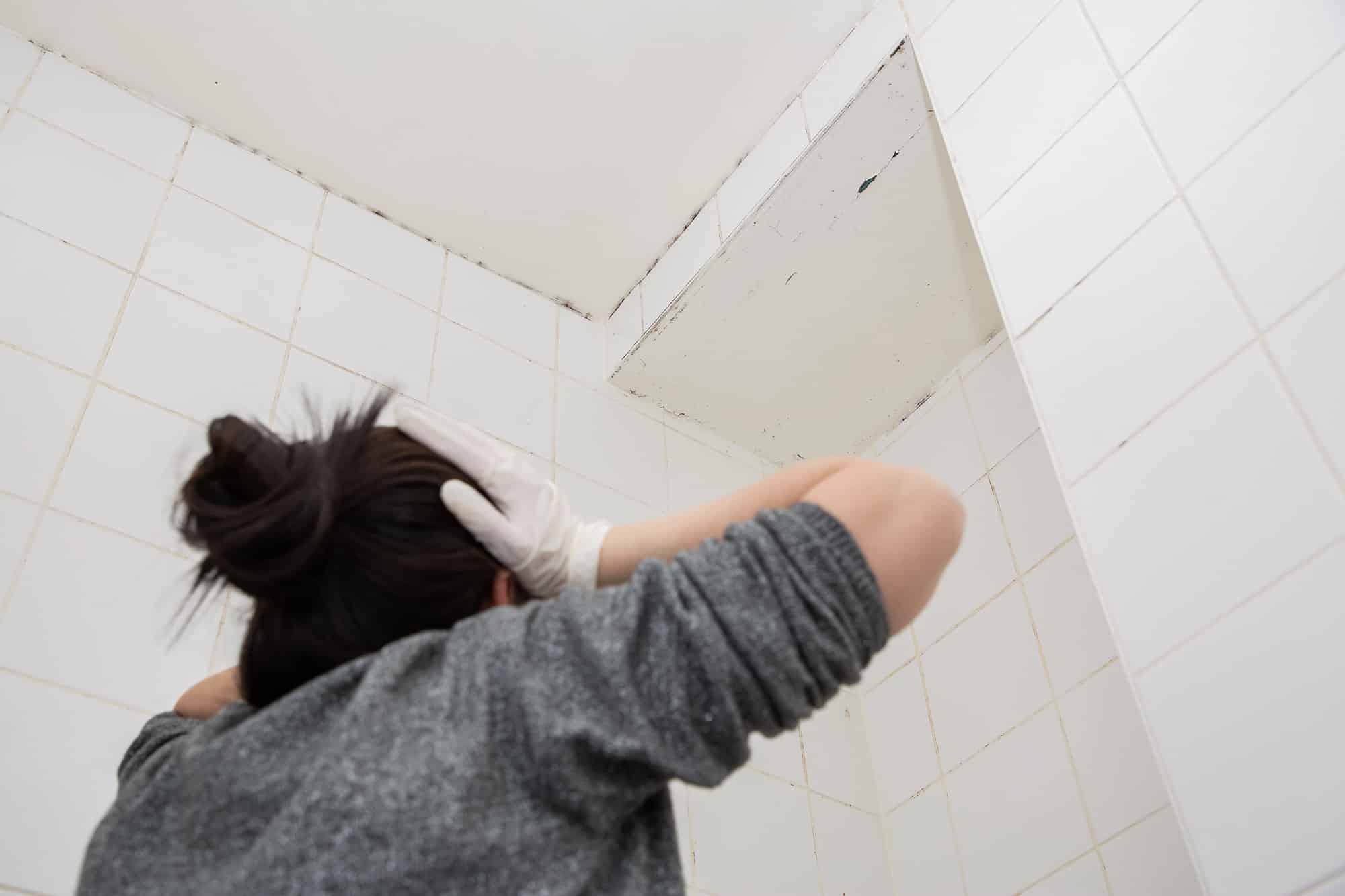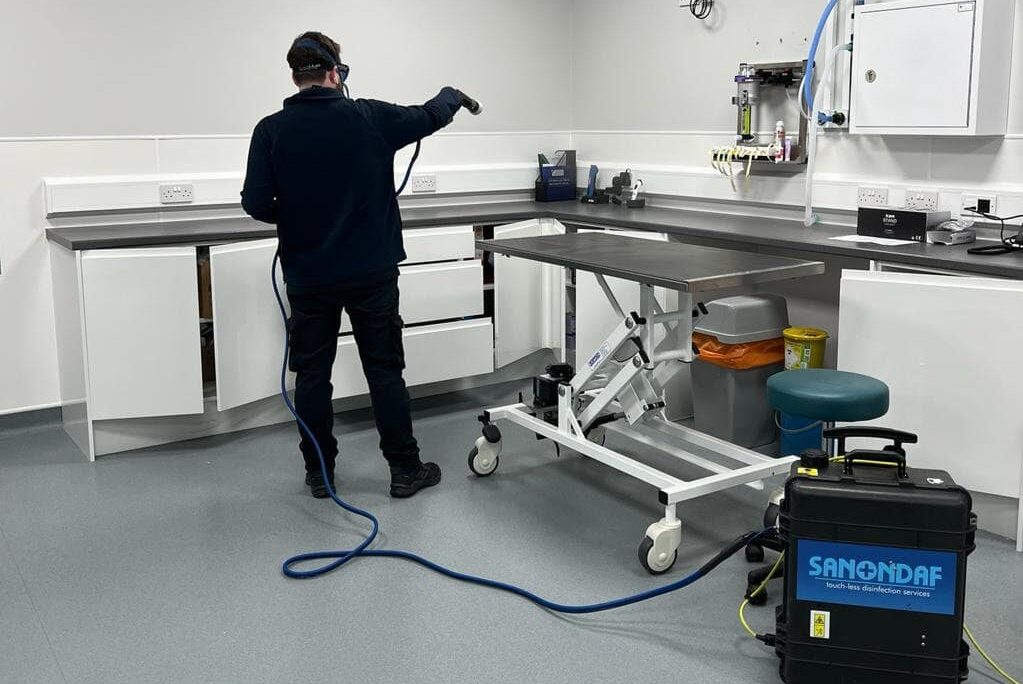
What Is Mould?
Mould is a naturally occurring fungus that exists in microscopic form all around us. It spreads through tiny airborne particles called spores, which are present both indoors and outdoors. In most environments, these spores are harmless. The problem begins when moisture, poor ventilation, and suitable surfaces allow those spores to settle and grow.
Once mould is established, it doesn’t just sit on the surface. Mould spreads quietly, feeding on organic materials such as plaster, paint, wood, fabrics, sealants, and dust. This is why mould problems can be persistent persistent or come back shortly after traditional cleaning, what you can see is usually only part of the story.
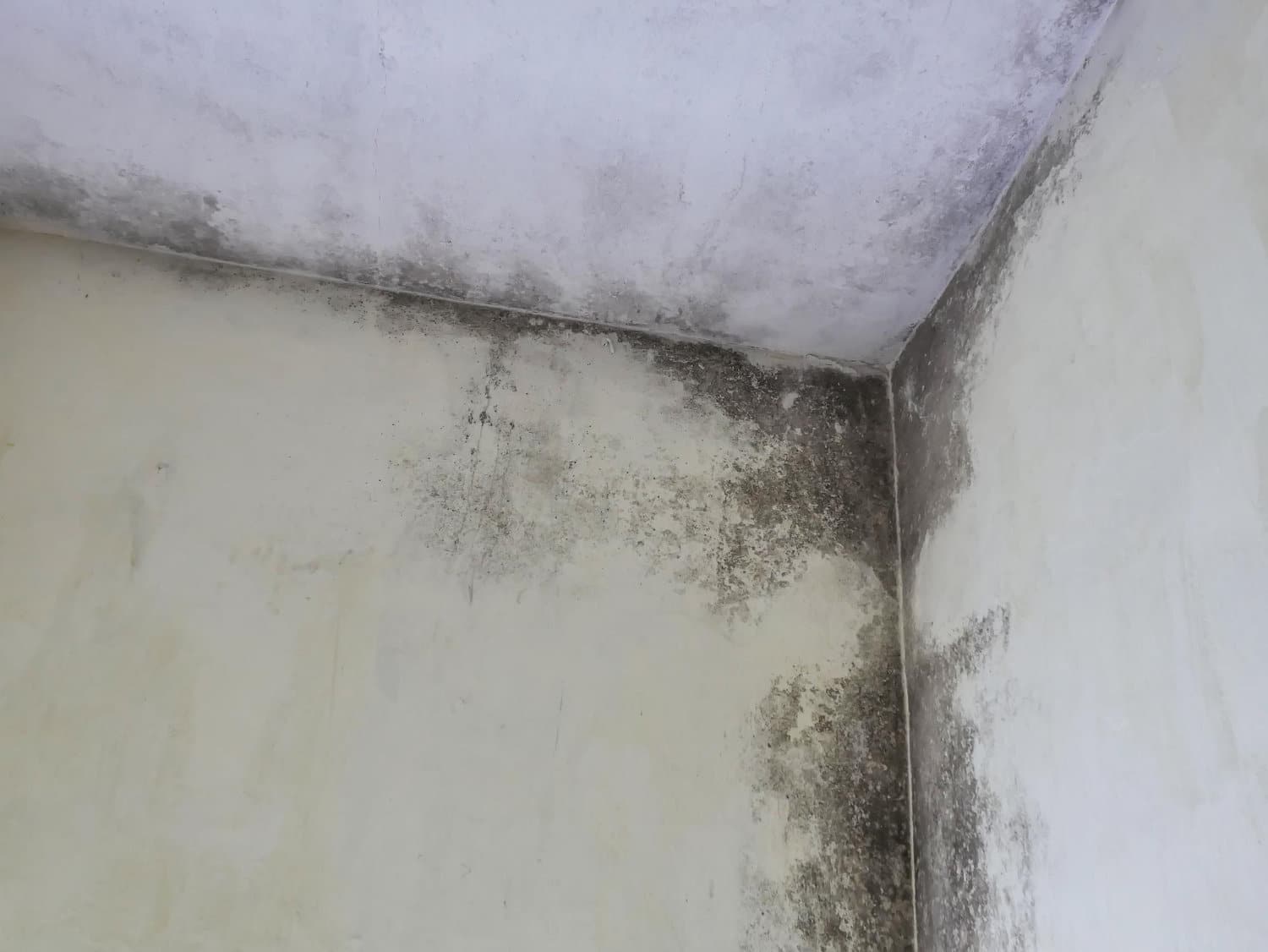
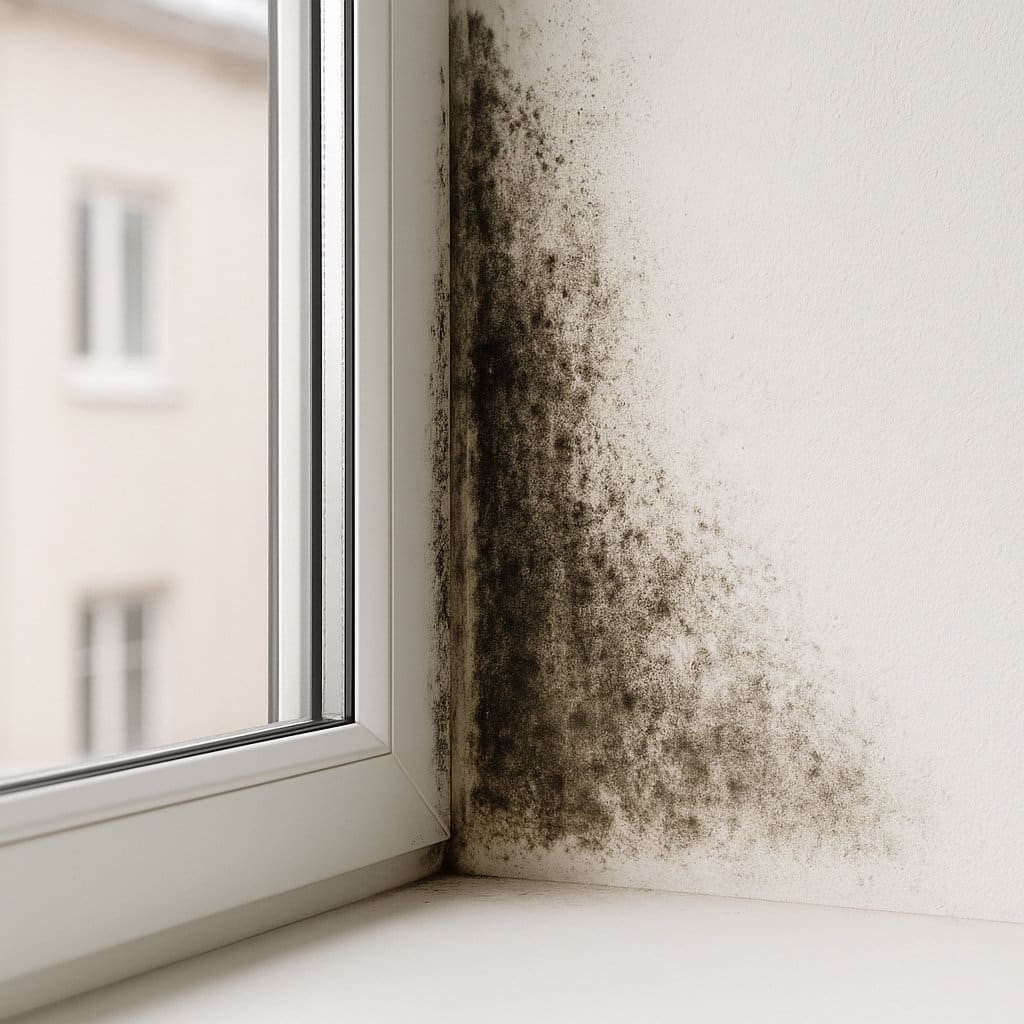
How Mould Forms
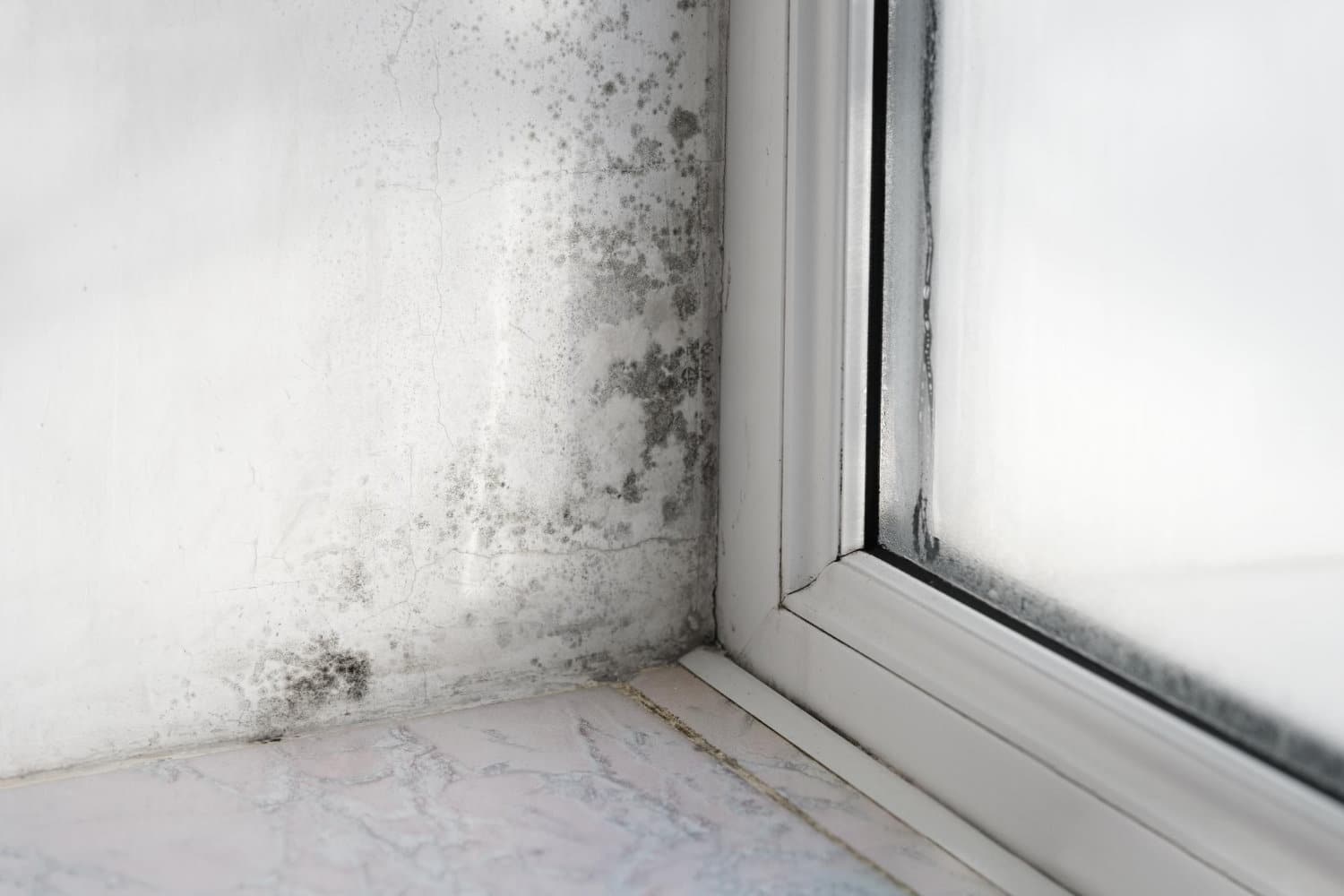
Mould loves the damp and poorly ventilated conditions. Common causes include condensation on cold surfaces, high humidity levels, water ingress or leaks, poor airflow, and inadequate heating. When moisture remains present, spores land, activate, and begin to multiply. Over time, mould releases more spores into the air, allowing it to spread to other areas in that space.
Types of Mould Commonly Found Indoors
There are many different mould species, but some are more commonly found in buildings. These include black mould often associated with Stachybotrys species, Aspergillus which is common indoors and linked to respiratory issues, Penicillium which spreads quickly on water-damaged materials, and Cladosporium which can grow on both hard and soft surfaces even in cooler conditions.
While not all moulds are toxic, all mould growth indicates an underlying moisture issue and presents a risk to health and building integrity.

Why Mould Is a Health and Property Risk
Mould exposure can cause or worsen respiratory problems, asthma, allergies, skin irritation, headaches, and fatigue. Vulnerable individuals such as children, older adults, and those with compromised immune systems are particularly at risk. From a property perspective, mould damages surfaces, penetrates porous materials, causes persistent odours, and often leads to repeated repair and redecoration.
Why mould keeps coming back
Mould exposure can cause or worsen respiratory problems, asthma, allergies, skin irritation, headaches, and fatigue. Vulnerable individuals such as children, older adults, and those with compromised immune systems are particularly at risk. From a property perspective, mould damages surfaces, penetrates porous materials, causes persistent odours, and often leads to repeated repair and redecoration.